- FitnessVolt Newsletter
- Posts
- You’re Dieting Wrong, And Scientists Have 10 Weird Fixes That Actually Melt Fat
You’re Dieting Wrong, And Scientists Have 10 Weird Fixes That Actually Melt Fat
Strongman shakeups, smarter fat-loss science, and a reminder that elite strength often comes with hidden costs. This week connects performance, recovery, and reality in ways worth paying attention to.


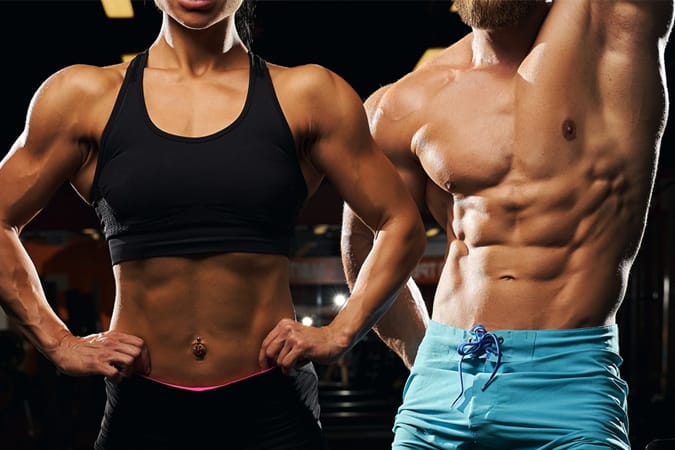
Most diets fail not because of willpower, but because they fight basic human biology. Researchers keep finding that fat loss responds better to clever nudges than brutal restriction, and these 10 science-backed tactics prove it. Think protein timing that quietly boosts thermogenesis, calorie cycling that keeps hormones from crashing, and strategic diet breaks that prevent metabolic slowdown. None of the methods is flashy, but together they explain why some people lose fat while eating more than expected. The big takeaway is that fat loss works best when psychology and physiology are aligned. If cutting harder has stalled results, this list flips the script. [Torch Fat The Smart Way]

Before lifting his way into strongman history, Eddie Hall was quietly fighting fear every night. Hall revealed that during his push toward the 2017 World’s Strongest Man title, chest pain and heart concerns left him convinced he might not wake up. The stress came while hauling extreme bodyweight, brutal training volumes, and the pressure of chasing a 500-kilogram deadlift legacy. Despite the anxiety, Hall pushed forward and ultimately won the WSM crown, cementing his place in strength sport lore. The story adds context to the physical cost behind the trophy and why Hall eventually stepped away from elite competition. It is a reminder that strength has a price tag. [Revisit The Mindset Behind The Title]
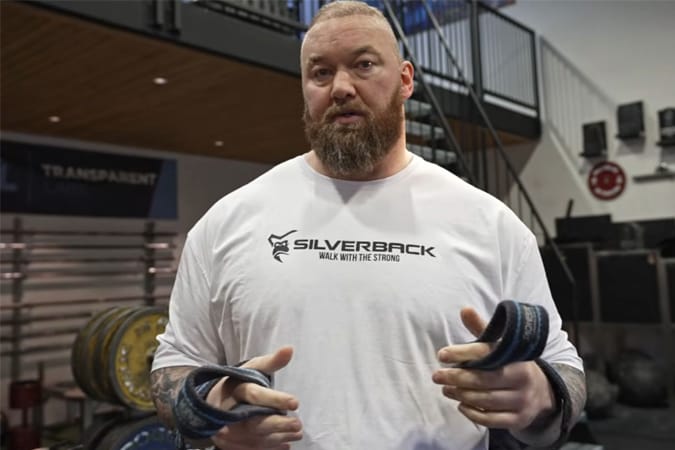
Hafthor Bjornsson has officially withdrawn from the 2026 Arnold Strongman Classic, reshaping one of the sport’s biggest lineups. The former World’s Strongest Man has been juggling powerlifting goals, boxing, and long-term health priorities, making another Arnold run a tough call. Bjornsson has not ruled out future strongman appearances, but this move signals a more selective competitive schedule. With Thor out, the door opens for emerging contenders to chase one of the strongman’s most prestigious titles. Fans hoping for another Arnold showdown will have to wait, but the competitive ripple effect starts now. The Arnold stage just got more unpredictable. [See What This Means For The Field]

Poland has been stripped of hosting rights for the 2026 European Junior and U23 Weightlifting Championships after refusing entry to Russian athletes. The European Weightlifting Federation ruled that host nations must comply with participation rules, regardless of political tensions. The decision underscores how international sport continues to collide with global geopolitics. With the event now seeking a new host, athletes and federations face logistical uncertainty heading into an Olympic development cycle. For lifters chasing international experience, the ruling sends a clear message about governance over geography. Competitive platforms, not politics, remain the priority. [Understand The Full Ruling]

If arm growth has stalled, width might be the missing piece. This workout targets the long head of the biceps using movements that emphasize stretch under load and peak tension. Exercises like incline curls, drag curls, and cable variations shift stress where most lifters neglect it. Volume is balanced with smart sequencing to keep elbows happy while chasing that T-shirt-splitting look. The result is a biceps session that feels surgical rather than sloppy. Train smarter and let your sleeves do the talking. [Unlock Wider Arms Now]

This 15-minute morning workout is built for people who want energy without draining recovery. Short intervals, full-body movements, and minimal rest combine to elevate heart rate and metabolism fast. The session works as a nervous system primer rather than a max-effort grind, making it ideal before work or travel days. Consistency is the secret weapon here, not exhaustion. Do it daily, and the compounding energy boost becomes obvious. Consider it caffeine without the crash. [Jumpstart Your Morning]

The cyclical ketogenic diet blends strict low-carb phases with planned carb refeeds to support performance and muscle growth. Instead of grinding through depleted workouts, CKD uses refeeds to restore glycogen and training intensity. Research suggests this approach may improve adherence, hormonal balance, and long-term fat loss outcomes. It is not beginner-friendly, but disciplined lifters often find it sustainable. Timing and execution matter, which is why structure beats guesswork here. Low-carb does not have to mean low power. [See If CKD Fits Your Goals]

Endomorph, ectomorph, or mesomorph, this quiz helps decode how body structure influences training response. While no one fits perfectly into one box, patterns in metabolism, limb length, and recovery matter. The results offer guidance on volume, intensity, and nutrition tendencies rather than rigid rules. Used correctly, somatotypes act as a starting point, not a ceiling. Training works best when expectations match biology. Learn the framework and train with clarity. [Discover Your Training Type]
Kim Angel checks in with a sharp physique update as the road to the 2026 Arnold Classic starts taking shape 📸💪

Breakfast Recipe of the Day: Cottage Cheese Egg Bites
Blend eggs, cottage cheese, salt, and pepper until smooth, then stir in chopped veggies or cooked protein of choice. Pour the mixture into a greased muffin tin, filling each cup about three-quarters full. Bake at 350°F for roughly 20 minutes until set and lightly golden. Let cool slightly before removing for a soft, protein-packed bite. They store well in the fridge and reheat fast, making mornings effortless. High-protein, zero drama, and surprisingly fluffy.
The Strength Bulletin
A new resistance training study found that strict exercise technique did not produce greater muscle growth than self-selected form, suggesting effort and load may matter more than textbook perfection. [Read The Study]
Reply