- FitnessVolt Newsletter
- Posts
- Tackle Arnold Schwarzenegger’s Blueprint to Mass With Home-Friendly Tweaks
Tackle Arnold Schwarzenegger’s Blueprint to Mass With Home-Friendly Tweaks
Legends are lifting smarter, contenders are getting louder, and one fainting scare is forcing a reality check on how hard is too hard.


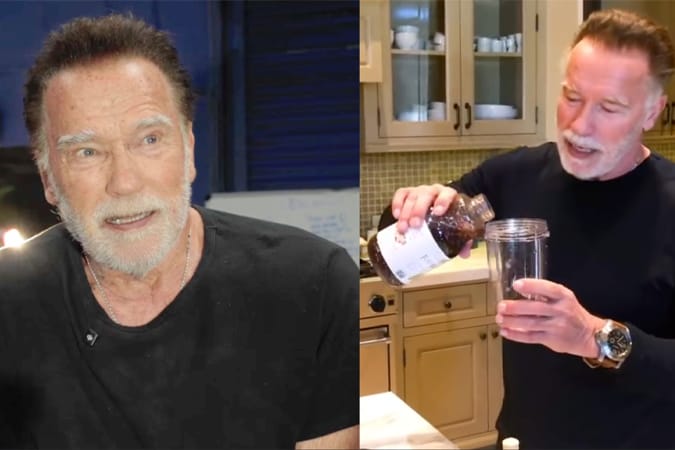
Arnold Schwarzenegger’s legendary Blueprint to Mass is known for punishing volume, old-school intensity, and zero shortcuts, but it turns out you do not need a Gold’s Gym membership to feel the burn. A seasoned lifter ran the routine with mostly dumbbells and minimal equipment, keeping the core structure intact while adapting exercises for a home setup. The workload was relentless, featuring high sets, classic movements, and short rest that pushed muscular endurance as much as size. Strength gains came slower than expected, but muscle fullness and work capacity climbed fast. The biggest takeaway was not the scale weight, but the discipline demanded by Arnold’s training philosophy. This is a reminder that consistency and effort still trump fancy equipment. [Unleash Your Inner Arnold Now!]
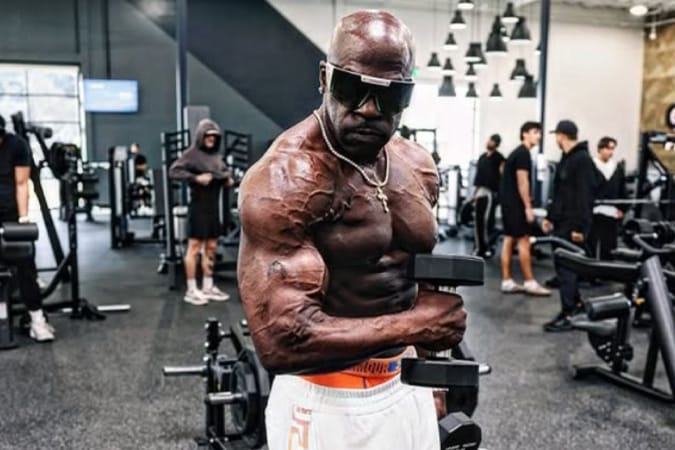
Kali Muscle was hospitalized after fainting during an intense training session, reigniting conversations around recovery, cardiovascular health, and pushing past warning signs. The longtime bodybuilding personality later confirmed he lost consciousness while exercising and was taken in for medical evaluation. While he reassured fans that he was stable, the incident highlighted the risks of high-intensity training without adequate rest or health monitoring. Overexertion, dehydration, and underlying health issues can turn routine workouts dangerous when ignored. For lifters, the lesson is clear: progress should never come at the cost of basic health markers. Training hard only works if you are healthy enough to train tomorrow. [Train Smart Or Pay The Price]
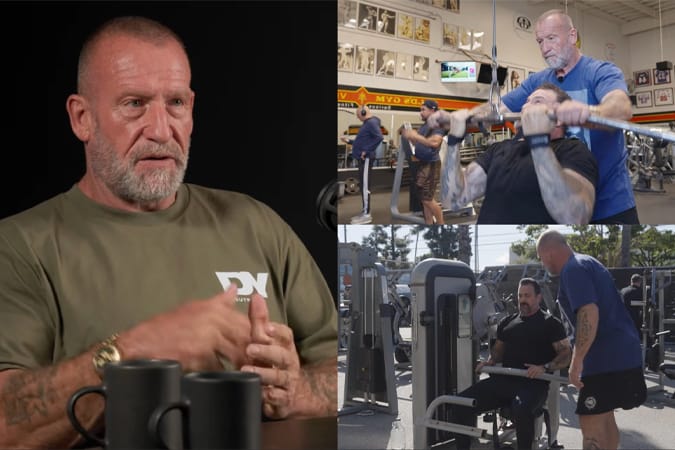
Dorian Yates teamed up with neuroscientist Andrew Huberman for a back workout that blended old-school intensity with modern longevity principles. At 63, Yates emphasized controlled reps, strict form, and intelligent load selection rather than chasing maximal weight. The session focused on reducing joint strain while still stimulating deep muscle fibers, particularly through machines and slow eccentrics. Yates explained that his current goal is to preserve strength and mobility rather than adding size. Huberman noted how the approach aligns with nervous system health and long-term training sustainability. The message was simple: training evolves, but effort never disappears. [Learn From A Legend’s Long Game]
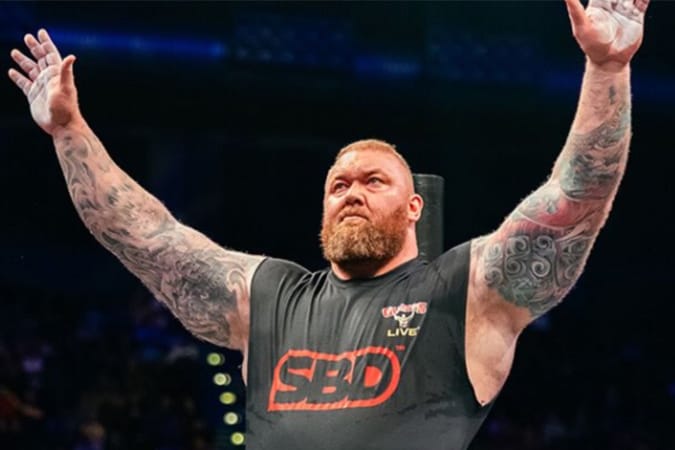
Hafthor Bjornsson believes a 550-kilogram deadlift is possible and says he is fully capable of pulling it under the right conditions. The former World’s Strongest Man record holder already owns the heaviest deadlift ever recorded at 510 kilograms. After returning to strength training post-boxing, Bjornsson claims his power is rebuilding faster than expected. He stressed that timing, prep, and event setup would need to be perfect for such an attempt. While skeptics remain, Bjornsson’s confidence alone has reignited debate around the true ceiling of human pulling strength. History suggests counting him out is a mistake. [Witness Strength History Loading]
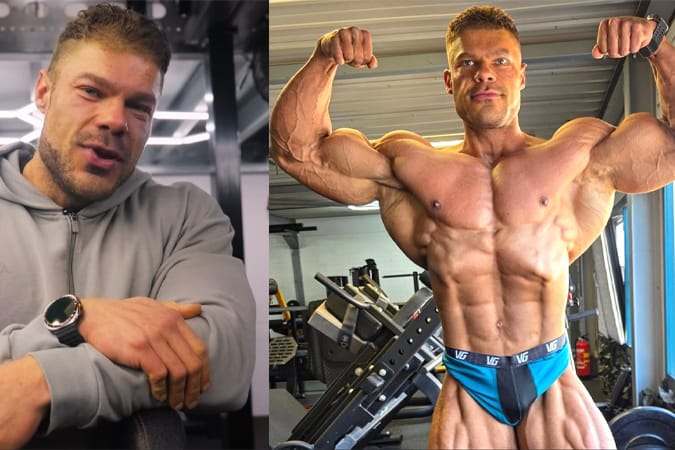
Wesley Vissers has unveiled a revamped training split as he gears up for the 2026 Arnold Classic, doubling down on structure and recovery. His program prioritizes chest, back, and leg detail while spacing sessions to avoid overlap fatigue. Volume remains high, but intensity techniques are used selectively rather than daily. Vissers explained that longevity and consistency are now bigger priorities than grinding every workout. The split reflects a shift toward smarter bodybuilding rather than harder bodybuilding. For Classic fans, it is a glimpse into how top contenders are evolving their prep strategies. [Steal The Classic Blueprint]
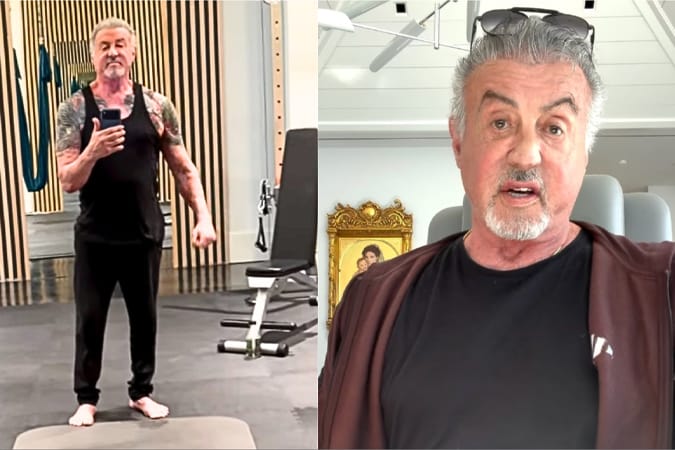
Sylvester Stallone described the gym as a personal sanctuary and credited training with keeping him mentally sharp and disciplined. He explained that workouts provide structure, stress relief, and a sense of purpose beyond aesthetics. Stallone encouraged lifters to view fitness as a lifelong practice rather than a seasonal goal. His advice focused on consistency, injury management, and respecting recovery as much as effort. At a stage of life when many slow down, Stallone is still showing up. The takeaway is motivation rooted in routine, not hype. [Train With Purpose, Not Excuses]

Chris Aceto believes Andrew Jacked is entering the 2026 Arnold Classic with a dangerous combination of size and confidence. Aceto praised Jacked’s recent physique updates, noting improved density and sharper conditioning. He highlighted the mental shift that separates contenders from champions when prep tightens. According to Aceto, Jacked is no longer just impressive, but intentional. With the Arnold stage looming, expectations are rising fast. This is the kind of buzz that turns dark horses into real threats. [See The Freak Factor Rising]
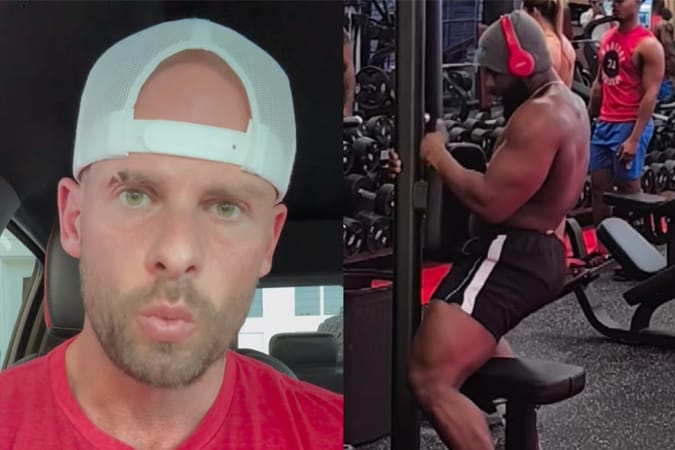
Joey Swoll called out a gym-goer for inappropriate behavior involving equipment, making it clear that the gym is not a performance stage. He stressed basic respect for shared spaces and the people training in them. Swoll’s message resonated with everyday lifters who are tired of social media antics disrupting workouts. The viral clip reinforced gym etiquette as a community responsibility. Training hard does not require acting out. Sometimes the strongest move is acting like an adult. [Keep The Gym Classy]

The TDEE calculator helps estimate daily calorie needs based on age, height, weight, activity level, and goals. It breaks down maintenance, fat loss, and muscle gain targets without overwhelming jargon. The tool also highlights how small activity changes can shift energy balance over time. For lifters stuck guessing portions or progress, this offers clarity. Numbers do not replace consistency, but they remove confusion. Use them as a baseline, not a prison. [Calculate Calories With Confidence]
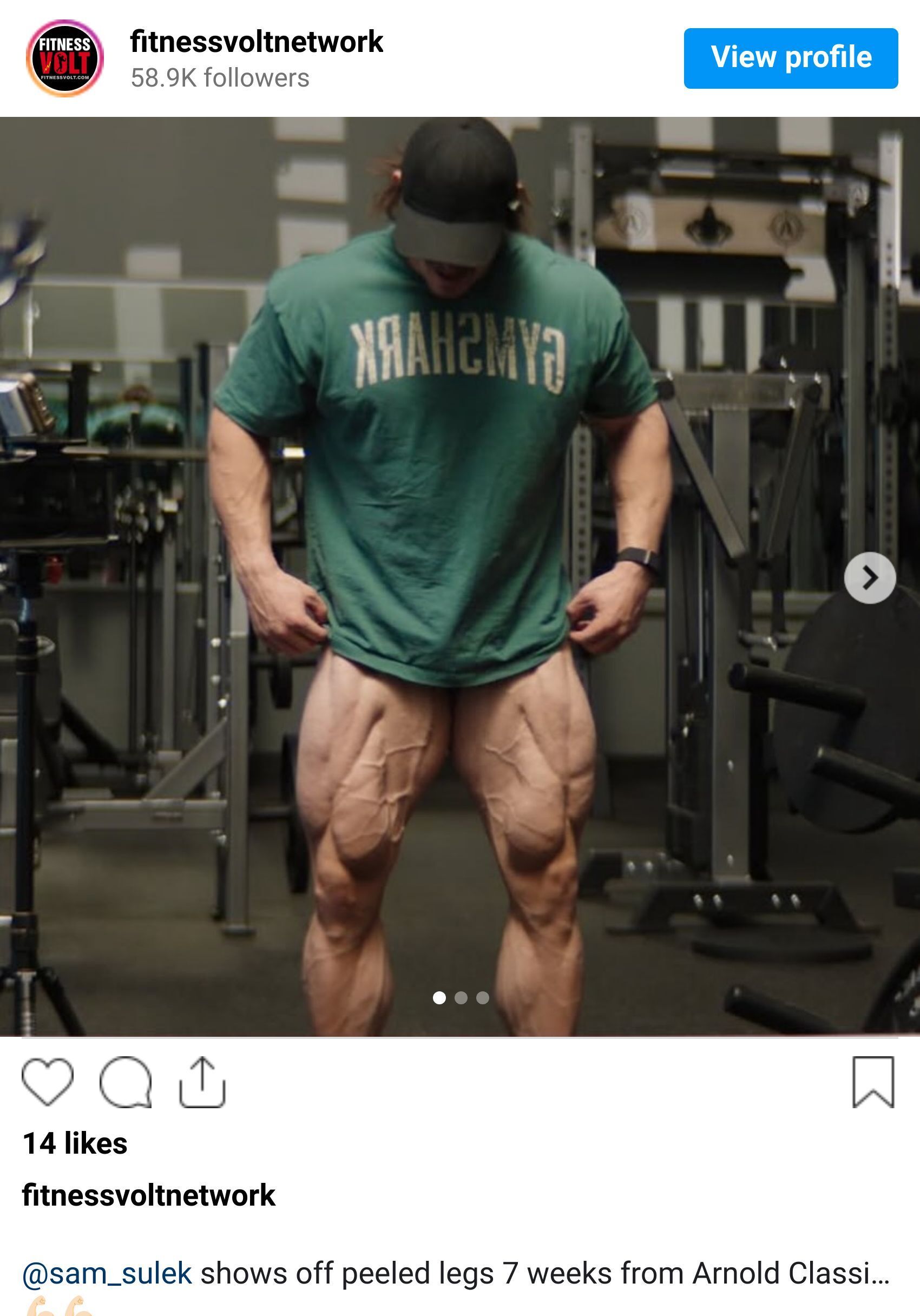
Sam Sulek is checking in with shredded legs seven weeks out from the Arnold Classic 📸💪
Advanced Training Tip of the Day: Use “Anti-Volume” Phases
Instead of piling on sets, run short anti-volume phases where you cut total work by 30 to 40 percent while keeping intensity high. This sharpens neural efficiency, improves recovery, and often unlocks strength jumps without adding fatigue. Focus on fewer movements, longer rest, and crisp execution. These phases work best for one to two weeks when progress stalls or joints feel beat up. Train less, lift better, and come back stronger.
The Strength Bulletin
A new study found that ChatGPT now outperforms certified trainers when answering general fitness questions, raising fresh debate about how AI may reshape coaching and education in the fitness industry. [Read The Research Breakdown]
Reply