- FitnessVolt Newsletter
- Posts
- Stop Wasting Time on Isolation and Build Bigger Arms With Compound Moves
Stop Wasting Time on Isolation and Build Bigger Arms With Compound Moves
Prep season is heating up as Nick Walker tweaks his training, Sam Sulek turns up the volume, and legends like Shawn Ray and Frank Zane weigh in with very different blueprints for success.


Curls and pushdowns have their place, but relying on isolation alone is a slow road to serious arm size. This breakdown makes the case for compound lifts that load the biceps and triceps harder, recruit more muscle, and save time. Think close-grip bench presses, weighted chin-ups, dips, and heavy rows that force the arms to work under real systemic stress. The payoff is better strength carryover, thicker upper arms, and fewer junk sets. Programmed correctly, compound arm work also supports elbow health by spreading stress across joints and tissues. If arm days feel long but underwhelming, this is the efficiency upgrade. [Build Arms That Actually Grow]

Six-time Mr. Olympia Dorian Yates is not interested in sugarcoating the message. He argues that modern comfort has dulled resilience and that resistance training is one of the few remaining arenas that forges discipline. Yates points to progressive overload, consistency, and mental toughness as qualities missing outside the gym but sharpened inside it. The iron, he says, does not care about excuses or feelings. Whether you agree or not, the core takeaway is clear: hard training builds more than muscle. It builds standards. [Hear Yates’ Full Take]

Kirill Tereshin resurfaced with a sobering update after undergoing another operation to remove injected synthol from his arm. The once-viral oversized biceps are now visibly deflated, exposing the long-term damage caused by site enhancement oils. Tereshin opened up about pain, complications, and the psychological spiral that followed internet fame. Doctors continue working to prevent infection and restore basic arm function. The update serves as a cautionary tale about shortcuts that carry permanent consequences. Muscle built the wrong way always collects interest. [See The Full Update]

Deep into his Arnold Classic prep, Sam Sulek showcased a back workout that was equal parts volume and violence. The session leaned on heavy rows, high-rep pulldowns, and relentless intensity with minimal rest. Sulek’s trademark approach prioritizes effort over novelty, squeezing every rep until breakdown. At just over five weeks out, the thickness and density were already on full display. It is a reminder that elite backs are built by showing up and emptying the tank. No shortcuts, just work. [Train Like Sulek]

Hall of Famer Shawn Ray is not sold on every current headline. He questioned whether Hadi Choopan can reclaim Arnold Classic dominance and openly disagreed with the idea of Samson Dauda pushing bodyweight toward 350 pounds. Ray emphasized balance, condition, and longevity over sheer mass. His critique highlights a recurring debate in modern bodybuilding: when does size stop helping? As the 2026 Arnold approaches, these opinions add fuel to an already stacked field. [See Ray’s Full Breakdown]
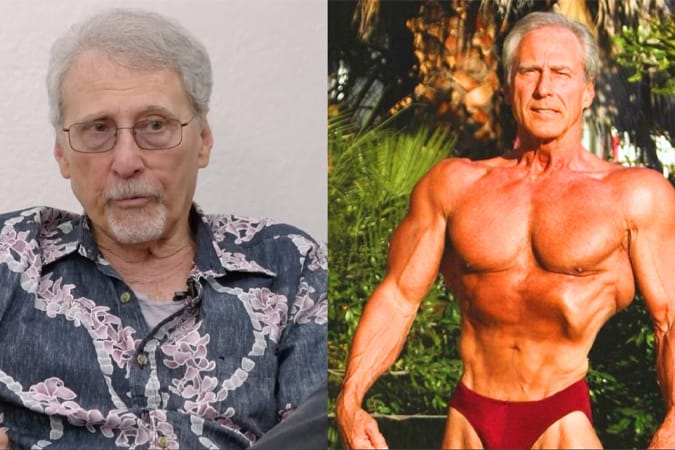
Three-time Mr. Olympia Frank Zane shared a timeless framework focused on precision, consistency, and self-awareness. Rather than extremes, Zane advocates structured meals, controlled portions, and training with intent. He stresses posing, recovery, and tracking progress as seriously as lifting. The blueprint reflects decades of refinement rather than trends. For lifters chasing longevity and aesthetics, Zane’s approach remains quietly ruthless in its discipline. Old-school still works when applied correctly. [Follow Zane’s Blueprint]

Nick Walker adjusted his training playbook during Arnold prep, shelving drop sets in favor of rest-pause work to maintain intensity without excessive fatigue. The approach allows heavy loading with short breaks, extending sets without wrecking recovery. Walker also detailed how he balances macros to fuel performance while staying lean. Bodyweight, recovery, and execution are driving decisions, not ego. As prep tightens, efficiency becomes the edge. [See Walker’s Prep Strategy]

Knowing how much to eat should not feel like a guessing game. This TDEE calculator estimates daily calorie needs based on height, weight, activity level, and goals. It provides a clear starting point for cutting, maintaining, or gaining. From there, adjustments become data-driven instead of emotional. If progress has stalled or diets feel random, this tool brings structure back to the table. Numbers do not lie when used correctly. [Calculate Your TDEE Now]
Sam Sulek checks in, shredded and locked, as the 2026 Arnold Classic countdown tightens 📹💪

Advanced Recovery Tip of the Day: Train the Nervous System After Heavy Days
After max-effort lifts, recovery is not just muscular; it is neurological. Light tempo work, low-intensity sled drags, or submaximal explosive jumps can restore neural drive without adding fatigue. Keep loads under 60 percent and focus on speed and crisp execution. This signals readiness rather than stress and helps heavy sessions feel sharper later in the week. Train the nervous system to recover, not just the muscles.
The Strength Bulletin
A new study found that increased daily water intake significantly improved weight loss outcomes by enhancing satiety and reducing overall calorie consumption. [Read The Study]
Reply