- FitnessVolt Newsletter
- Posts
- Forge Home-Ready Forearms With a No-Equipment Grip Blueprint
Forge Home-Ready Forearms With a No-Equipment Grip Blueprint
While Thor eyes another history-making pull and Rory van Ulft redefines what “young talent” looks like, the bodybuilding world is already gaming out Arnold Classic outcomes months in advance.

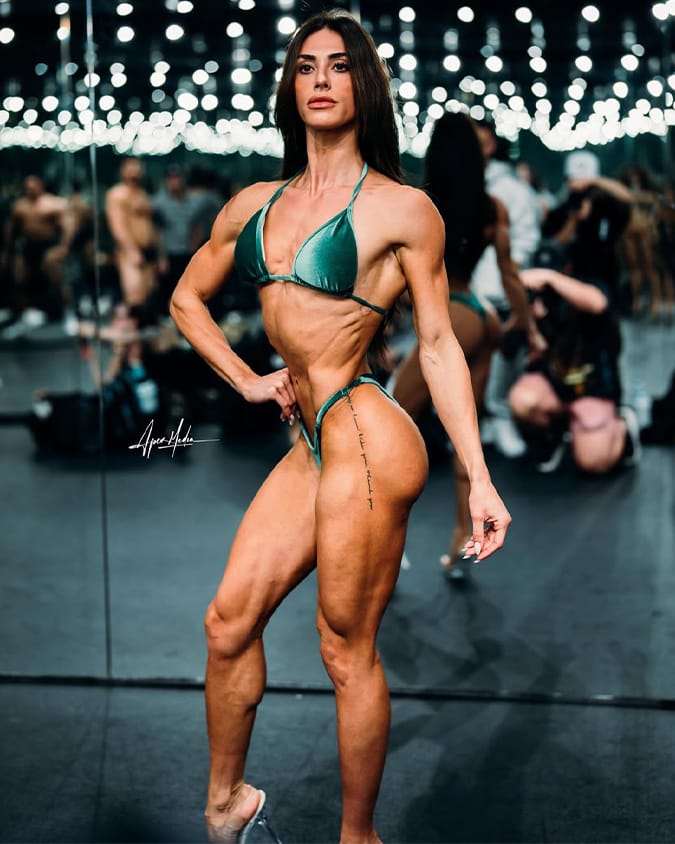
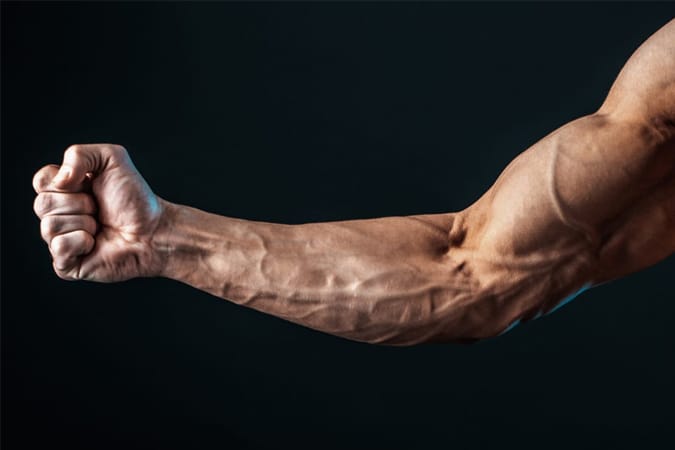
Building granite forearms does not require fancy tools or a commercial gym, just time under tension and smart sequencing. This guide breaks down wrist flexion, extension, pronation, and crushing strength using nothing but bodyweight, towels, and everyday objects. High-rep isometrics, slow eccentrics, and brutal holds are the backbone, making it ideal for lifters stuck training at home or squeezing sessions between work blocks. The sneaky benefit is carryover, since stronger forearms improve deadlifts, rows, pull-ups, and even pressing stability. Grip endurance becomes the limiter long before muscle fatigue, which is exactly the point. If straps have been doing too much of the work lately, this resets the balance fast. [Build Forearms That Refuse To Quit]

Six-time Olympia champ Jay Cutler weighed in on a question every busy lifter has asked at least once: Can protein powder replace real food entirely? Cutler made it clear that while shakes are convenient and effective, relying on them exclusively leaves gaps in micronutrients, digestion, and long-term adherence. He emphasized whole food sources like steak, eggs, chicken, and rice as the foundation, with powders filling gaps when schedules get chaotic. The takeaway is not anti-supplement, just pro-balance. Shakes help hit numbers, but chewing still matters. Use protein powder as a tool, not a crutch. [See Cutler’s Straight Talk On Protein]

When six-time Olympia legend Dorian Yates weighs in on fantasy matchups, people listen. Yates tackled hypothetical clashes across eras, comparing size, density, conditioning, and stage presence rather than nostalgia alone. He explained why mass monsters tend to overpower aesthetic builds under modern judging, while also admitting certain physiques would still be nightmares to stand next to. The discussion highlights how judging criteria have evolved and why dominance is always context-dependent. It is less fanboy debate and more cold evaluation from someone who rewrote the rulebook himself. Expect some hot takes backed by experience, not emotion. [See Who Yates Puts On Top]

Veteran coaches Dennis James and Milos Sarcev shared their early top three picks for the 2026 Arnold Classic Men’s Open, and the list blends size, structure, and momentum. Their analysis focused on who can peak under pressure, not just who looks good on Instagram. Conditioning trends, recent improvements, and stage presence all factored heavily into the rankings. Both coaches stressed that the Arnold rewards density and control more than sheer mass. It is early, but these picks set the tone for how the season narrative may unfold. Consider it a scouting report from two guys who have seen it all. [See The Arnold Shortlist]

Strongman icon Hafthor Bjornsson announced plans to attempt a deadlift world record at the 2026 Enhanced Games, with a $250,000 prize on the line. Bjornsson, who previously pulled 510 kg (1,124.4 lbs), is framing this as both a financial opportunity and a legacy move. The announcement reignited debate around equipment, conditions, and what truly defines a record pull. Regardless of where fans land, the training footage and buildup alone will command attention. Few lifters on the planet move maximal weight with Thor’s consistency. This one will dominate strength headlines until the plates leave the floor. [Track Thor’s Record Chase]
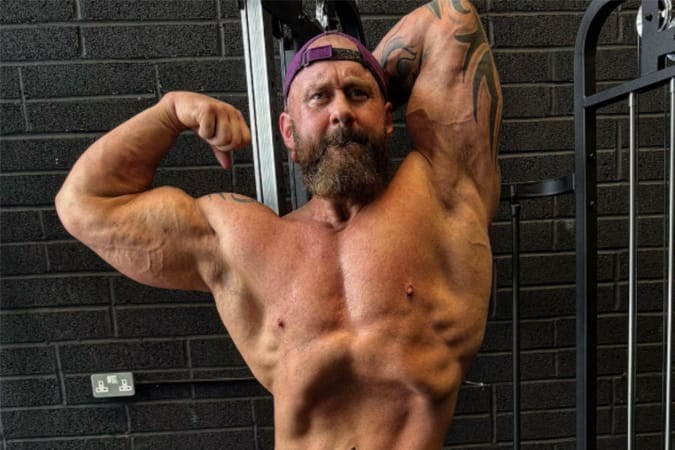
The global strength community came together in a powerful way following the passing of Irish strongman Pa O’Dwyer. More than $250,000 was raised to support his family, showing how tight-knit the sport remains beyond the platform. Athletes, fans, and promoters contributed, turning grief into tangible support. The response highlights how strength sports often feel like a global family rather than a loose competitive circuit. It is a reminder that behind the records and rivalries are real people and real lives. Few stories cut through the noise like this one. [See The Community Response]
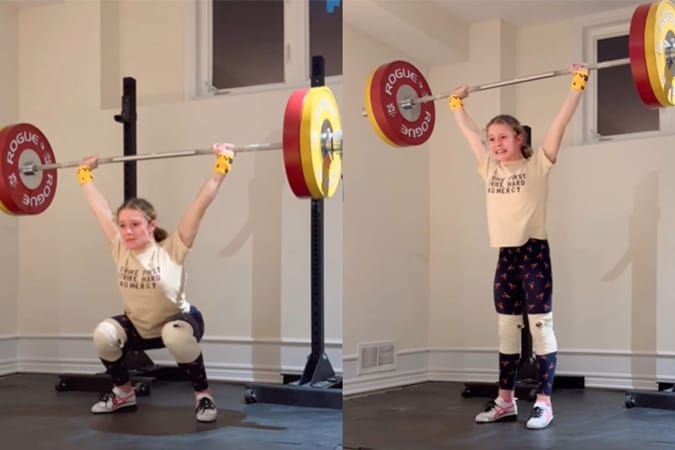
At only 12 years old, Rory van Ulft completed a 100 kg overhead squat and recovered a 125 kg jerk in training, numbers that would humble many adult lifters. The lifts showcased elite mobility, composure, and technical precision rather than reckless loading. Coaches emphasize that her training is tightly supervised and progression-based, not rushed. The performance reignited discussion about youth lifting, long-term development, and proper coaching. Regardless of age, moving that kind of weight with control demands respect. This is not hype; it is high-level execution. [Watch The Lift That Stunned Everyone]
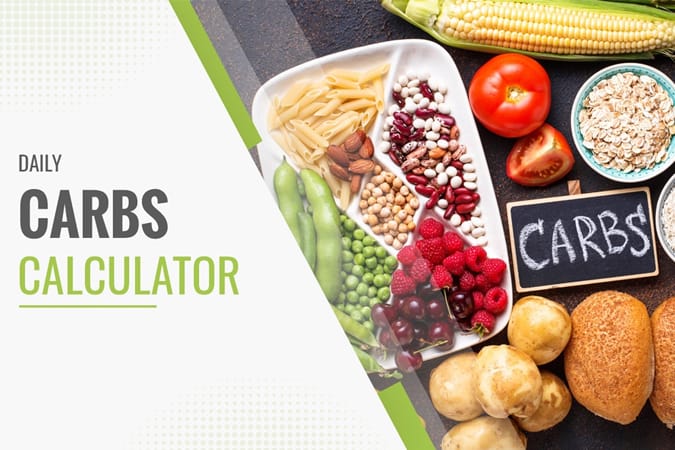
Dialing carbohydrates no longer has to feel like guesswork. This calculator provides intake ranges based on body weight, activity level, and goals, making it easier to fuel training without overshooting calories. It is especially useful for lifters balancing hypertrophy with conditioning or managing body fat phases. The tool offers clarity instead of rigid rules, which improves adherence over time. Pair the numbers with performance feedback, and adjustments become obvious. Smart fueling beats carb fear every time. [Calculate Your Carbs In Seconds]
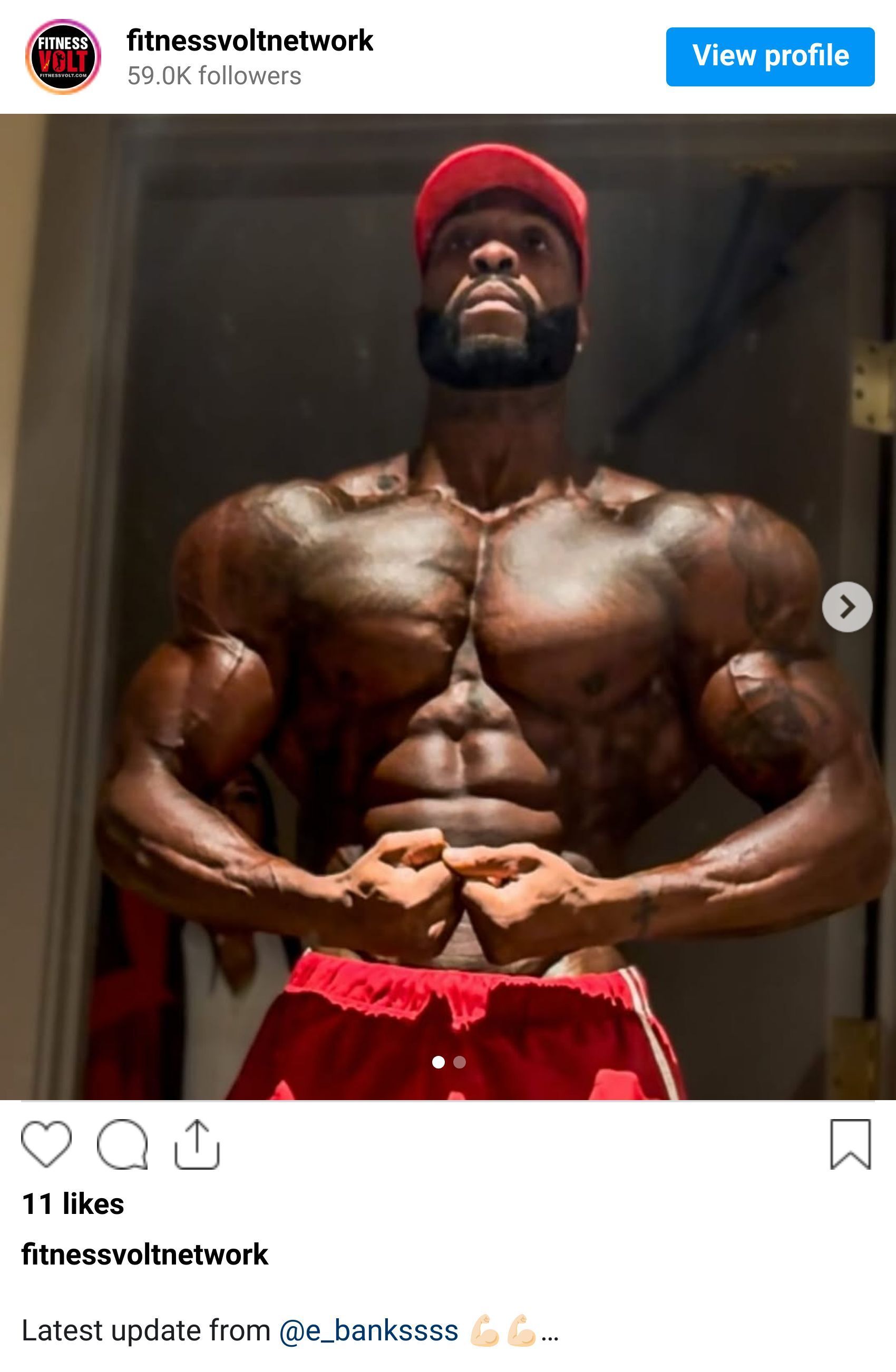
Men’s Physique Olympia champ Erin Banks dropped a fresh physique update, and the balance between fullness and conditioning is already sharp 📸💪
Advanced Recovery Tip of the Day: Deliberate Under-Recovery Microcycles
Instead of chasing a perfect recovery year-round, deliberately program 5 to 7-day under-recovery microcycles where volume stays high but sleep, calories, or rest are slightly constrained. The goal is controlled stress, not burnout, which teaches the body to tolerate fatigue and improves resilience heading into deloads. Follow immediately with aggressive recovery to unlock rebound strength and work capacity. This is not for beginners, but advanced lifters can use it to break plateaus without adding junk volume.
The Strength Bulletin
A new meta-study shows women gain muscle and strength at relative rates comparable to men when training variables are matched. [Read The Research]
Reply